

Maintaining a residential property requires a continuous commitment to routine care, structural upkeep, and seasonal updating. Every decision made regarding a home impacts its longevity, market value, and daily functionality. Beyond structural integrity and aesthetics, the methods and materials chosen for domestic maintenance carry a significant environmental footprint. From energy consumption and water usage to resource depletion and waste management, standard upkeep routines can unintentionally contribute to habitat degradation and excessive carbon emissions. Adopting a greener framework for household maintenance allows homeowners to protect their financial investment while minimizing their ecological footprint.
Transitioning to sustainable home care does not require an immediate, total renovation. Instead, it involves making intentional choices during routine upkeep, scheduled repairs, and periodic property improvements. By focusing on resource conservation, non-toxic materials, and high-efficiency systems, property owners can cultivate healthy living environments inside and out. Small adjustments in exterior maintenance, interior surface care, and waste disposal collectively create a substantial positive impact over time. Embracing eco-friendly practices lowers energy bills, improves indoor air quality, and ensures that the physical structure remains resilient against environmental stress.
Eco-Conscious Exterior and Structural Maintenance
Protecting the Upper Envelope with Minimal Waste
The structural integrity of a building begins at its highest point, where weatherproofing systems shield the interior from rain, wind, and thermal transfer. When unexpected storms or structural degradation cause immediate damage, rapid intervention becomes necessary to prevent mold growth and widespread rot. Property owners facing unexpected structural issues often seek quick solutions like emergency roof repair to secure the perimeter before moisture damages insulation and drywall. Addressing these issues promptly reduces the total volume of building material that must be discarded, effectively preserving existing structures rather than replacing entire roof sections. Selecting durable, high-reflectivity materials for repairs further enhances thermal efficiency and reduces cooling demands during warm months.
Long-Lasting Upgrades for Decking and Outdoor Spaces
Outdoor living areas provide functional space for recreation and relaxation, but traditional building choices frequently rely on lumber harvested through clear-cutting practices or pressure-treated wood laden with toxic preservatives. When updating or constructing patio spaces, choosing weather-resistant alternatives prevents frequent replacement cycles and reduces forest degradation. Property owners often consult professional composite deck builders to design structures made from recycled plastics and reclaimed wood fibers. These sustainable alternatives resist rot, moisture, and insect damage without requiring toxic chemical stains, sealants, or frequent painting over their extended operational lifespan.
Sourcing Responsible Building Materials
For structural framing, fencing, and custom woodworking projects, material selection plays a pivotal role in maintaining an eco-friendly footprint. Raw materials harvested through irresponsible forestry methods contribute to soil erosion, biodiversity loss, and climate instability. Homeowners planning additions or repair projects should prioritize certified lumber materials harvested from sustainably managed forests that adhere to strict environmental standards. Sourcing local wood reduces transportation-related carbon emissions, while opting for reclaimed or salvaged timber gives existing resources a second life while preventing healthy trees from being harvested unnecessarily.
Sustainable Upkeep for Outdoor Living and Landscaping
Natural Approaches to Yard Aesthetics
Traditional landscaping routines often rely heavily on chemical fertilizers, synthetic pesticides, and excessive irrigation systems that strain local reservoirs and pollute nearby waterways. Transforming a residential yard into a self-sustaining ecosystem requires thoughtful planning that harmonizes with local climate conditions and native biology. Engaging with specialists in landscape design allows property owners to create functional outdoors incorporating drought-tolerant native plants, permaculture principles, and efficient drip-irrigation systems. These tailored spaces attract local pollinators, build healthy topsoil, and require far less energy and water to maintain throughout the year.
Environmentally Friendly Pool Care and Energy Reduction
Maintaining a residential pool involves significant energy consumption from pump filtration units and a chemical balance that can harm local ecosystems if drained improperly. Older installations often feature inefficient single-speed pumps, leaking infrastructure, and surfaces that absorb heat or degrade rapidly under direct sunlight. Undertaking a thoughtful Pool Remodeling initiative can transform an energy-draining basin into an eco-conscious aquatic feature. Upgrading to variable-speed pumps, integrating solar heating arrays, and utilizing salt-water systems or advanced filtration media dramatically reduces chemical reliance while lowering household electricity demand.
Responsible Waste Management During Property Cleanouts
Large-scale landscape overhauls, exterior demolition, and deep home cleanouts generate considerable volumes of debris that threaten to overcrowd local landfills if managed improperly. Dumping mixed waste into standard garbage streams leads to recyclable materials, metals, and organic debris rotting in anaerobic landfill conditions. Utilizing specialized dumpster rentals that prioritize sorting and waste diversion ensures that concrete, wood, metal, and yard waste are directed to appropriate recycling centers rather than permanent disposal sites. Sorting waste at the site of generation significantly mitigates the ecological impact of major home maintenance projects.
Interior Surfaces and Utility Efficiency
High-Performance Finishes for Concrete and Garage Floors
Interior and garage flooring options are subjected to constant wear from foot traffic, vehicles, heavy equipment, and environmental moisture. Standard solvent-based sealers and paints often emit high levels of volatile organic compounds that degrade indoor air quality and pose health risks to occupants. Applying eco-conscious concrete floor coatings formulated with low-VOC, water-based epoxies or polyaspartic resins provides an exceptionally durable barrier against chemical spills and abrasion. These high-performance finishes seal porous surfaces, preventing dust generation and eliminating the need for aggressive chemical cleaners during routine maintenance routines.
Optimizing Climate Control Systems for Lower Footprints
Heating and cooling systems account for the largest portion of residential energy consumption, making mechanical maintenance crucial for reducing a home carbon footprint. Dust accumulation, worn components, and refrigerant leaks cause climate control equipment to work significantly harder, drawing excess electricity and burning extra fuel to maintain comfortable internal temperatures. Scheduling timely HVAC repair ensures that blowers, coils, and thermostats operate at peak thermodynamic performance. Regular maintenance extends system lifespan, reduces total energy draw, and prevents harmful chemical refrigerants from venting into the atmosphere.
Sustainable Underground Wastewater Management
Properties operating on independent sanitation infrastructure rely on biological processes to treat wastewater before it safely returns to the surrounding soil and water table. Neglecting these subterranean systems leads to system failure, resulting in untreated effluent contaminating groundwater, surrounding soil, and nearby surface water sources. Arranging routine septic pumping services prevents solid waste accumulation, clogging, and catastrophic structural failure within the absorption field. Maintaining proper biological health through responsible chemical usage inside the home protects beneficial bacteria, ensuring safe and natural wastewater treatment for years.
Deepening Home Efficiency and Interior Environmental Quality
Sealing the Thermal Envelope and Preventing Drafts
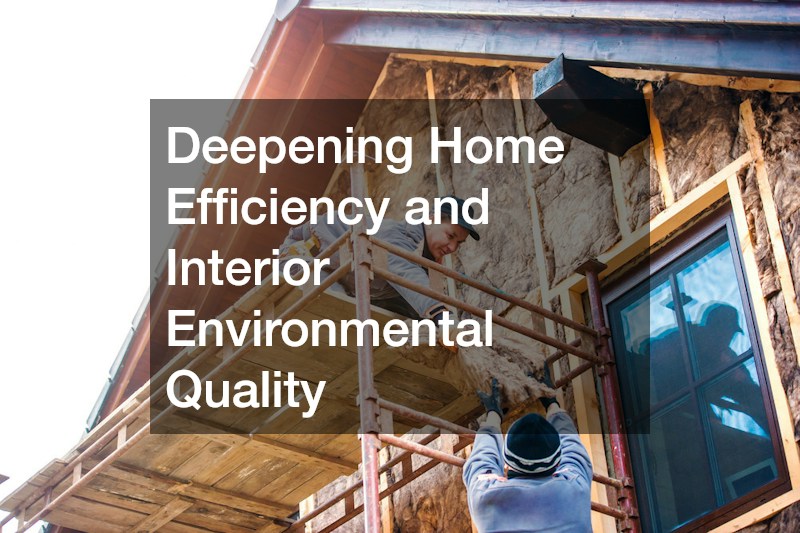
While mechanical systems manage temperature, the underlying thermal envelope determines how effectively a home retains conditioned air. Air leaks around window frames, exterior doorways, electrical outlets, and attic access hatches force heating and cooling units to operate continuously. Inspecting these entry points annually and applying non-toxic silicone caulking or eco-friendly weatherstripping seals minor gaps before they turn into major thermal losses. Enhancing ceiling and wall insulation with blown-in cellulose made from recycled paper products significantly slows heat transfer without introducing harmful synthetic binders into the indoor air environment.
Sustainable Water Management and Indoor Plumbing
Water conservation forms a critical pillar of any eco-friendly maintenance strategy. Leaking faucets, running toilets, and hidden pipe degradation waste thousands of gallons of potable water annually while placing unnecessary stress on municipal treatment infrastructure. Replacing worn washers, installing aerators on kitchen and bathroom faucets, and retrofitting older toilets with dual-flush mechanisms drastically reduces total domestic water consumption without sacrificing functionality. Capturing rainwater in non-toxic collection barrels for non-potable uses like watering garden beds further lightens the demand on local water reservoirs during dry months.
Eco-Friendly Cleaning and Non-Toxic Interior Surface Care
Daily interior cleaning routines heavily influence indoor air purity and chemical runoff into local water treatment facilities. Commercial cleaning products frequently contain harsh synthetic surfactants, artificial fragrances, and volatile solvents that linger in closed spaces and trigger respiratory discomfort. Swapping chemical cleaners for biodegradable formulations, diluted white vinegar, baking soda, and plant-based soaps achieves superior sanitation without releasing hazardous compounds. Caring for solid wood furniture, natural stone countertops, and organic textiles with plant-derived oils and non-toxic polishes maintains surface beauty while preserving a clean, breathable home ecosystem.
Sustainable Materials, Circular Lifecycle Care, and Long-Term Value
Integrating Circular Lifecycle Thinking into Upkeep
Adopting a circular approach to home care means considering the full lifecycle of every material brought into or removed from the property. Before embarking on any repairs, homeowners can assess whether existing building elements can be refurbished, refinished, or repurposed rather than thrown away. Restoring architectural details, retrofitting older cabinetry with modern hardware, and repairing minor cosmetic damage keeps valuable resources out of landfills while preserving character. When new materials are necessary, prioritizing non-toxic, locally sourced products with high recycled content ensures that the ecological cost of production remains minimal.
Smart Home Automation for Energy and Resource Management
Modern technological integration offers powerful tools for minimizing domestic energy waste without compromising everyday comfort. Installing smart power strips eliminates phantom loads drawn by electronics on standby, while programmable water shut-off valves prevent catastrophic plumbing floods before they occur. Smart lighting systems automatically dim or power off fixtures in unoccupied rooms, optimizing total energy usage throughout the house. Pairing home automation systems with real-time energy monitoring allows residents to identify power spikes, adjust daily habits, and optimize appliance runtimes to coincide with off-peak electrical grid hours.
Maximizing Mechanical Lifespans Through Proactive Care
Replacing major household appliances, water heaters, and mechanical infrastructure carries a heavy environmental price tag in manufacturing energy, raw material extraction, and transportation emissions. Proactive, preventative care significantly extends the operational lifespan of major equipment, delaying the need for premature replacements. Flushing water heater tanks annually to clear sediment deposits improves heating efficiency and prevents tank corrosion. Cleaning refrigerator coils, replacing ventilation filters on schedule, and maintaining electrical connections keeps machinery running efficiently at baseline power levels, avoiding unnecessary landfill contributions.
Aligning Home Upkeep with Protection Policies
Investing in sustainable structural improvements, impact-resistant roofing, high-efficiency mechanical systems, and fire-resistant outdoor materials strengthens a home against severe weather events and natural hazards. Many insurance agencies recognize the risk-mitigation benefits of eco-friendly and resilient structural upgrades, offering premium discounts or incentives for homeowners who upgrade their building envelopes. Documenting green renovations and maintaining up-to-date maintenance records allows property owners to secure better coverage conditions while lowering overall ownership expenses over time.
Simple Steps to Implement Eco-Friendly Maintenance
Transitioning to a greener home care framework works best when broken down into manageable, strategic updates across different functional zones of the property.
- Audit household energy usage and water consumption quarterly to catch hidden leaks, insulation gaps, and failing mechanical components early.
- Replace standard cleaning chemicals with biodegradable, non-toxic alternatives to safeguard indoor air quality and protect septic biology.
- Prioritize spot repairs and structural restoration over full tear-outs to conserve raw building materials and limit excess waste.
- Install smart thermostats, low-flow plumbing fixtures, and LED illumination to automate energy and water conservation efforts daily.
- Establish an organized composting area for organic yard waste, tree trimmings, and soil amendments to nourish landscape plantings naturally.
- Inspect roof flashings, foundation lines, and gutter drains seasonally to manage water flow away from the foundation and prevent costly structural damage.
- Clean electrical solar arrays and exterior fixtures periodically to ensure maximum absorption efficiency and consistent power generation.
- Utilize secondary window glazes or thermal curtains to increase window efficiency without replacing functional glass frames.
Building a Lasting Legacy Through Green Maintenance
Making regular home maintenance eco-friendly is a continuous journey that yields measurable benefits for property owners, local communities, and the broader environment. By prioritizing durable materials, energy-efficient operational habits, and non-toxic care techniques, homeowners create safer and healthier living environments for their families. Every conscientious decision, from minimizing waste during major renovations to optimizing climate control mechanics, reduces resource consumption and lowers long-term operational costs. Over time, these deliberate choices transform standard residential upkeep into an active commitment to environmental stewardship, establishing a durable, sustainable foundation for future generations.